
No products in the cart.
What makes a casino game truly addictive?

The Allure of Uncertainty
The thrill of uncertainty is a powerful driver for individuals who indulge in games of chance. Casinos are designed to exploit this allure, where every spin of a slot machine or roll of the dice offers the potential for excitement and reward. Psychologically, the unpredictability associated with gambling can trigger a rush of adrenaline, especially when considering the instant casino withdrawal time that can enhance the excitement of winning big. This rush often comes hand in hand with the anticipation of winning, creating a powerful feedback loop that keeps players returning for more. The unpredictability of outcomes can evoke strong emotional responses, causing players to chase the highs of previous wins and fueling their desire to take risks.
Moreover, the element of surprise plays a crucial role in risk-taking behavior. Individuals engage in gambling not just for monetary gain but for the experience itself. The possibility of winning, regardless of how slim, can be intoxicating. This sometimes leads to a phenomenon known as 'loss chasing,' where players continue to gamble in hopes of recovering previous losses. This behavior showcases how the desire to regain lost money can exacerbate risk-taking tendencies, as players become more willing to place larger bets than they typically would in calmer, more rational states. The thrill of the gamble can overshadow the financial consequences, leading to a cycle of risk-taking behavior.
In essence, the allure of uncertainty is intricately linked to human emotions and desires. Individuals are often drawn to environments that evoke strong feelings, and casinos excel at creating these high-stakes experiences. The psychological appeal of taking risks in such settings can lead to a cycle of excitement and consequences that goes beyond simple entertainment. This illustrates the complexities of human behavior in response to risk, highlighting how emotional engagement with uncertainty can drive individuals to take bold chances in pursuit of adrenaline-fueled experiences.
The Role of Cognitive Biases
Cognitive biases significantly influence decision-making in casino environments. One of the most prominent biases is known as the 'gambler's fallacy,' where players believe that past events affect future outcomes in random games of chance. For instance, someone might think that after a series of losses, they are 'due' for a win, prompting them to take greater risks. This misconception fosters an environment where players are likely to continue gambling, even when the odds are not in their favor. Such biases can cloud judgment, leading to increased investment in risk-taking behavior and ultimately resulting in substantial financial losses.
Another prevalent cognitive bias is the 'illusion of control,' which refers to the belief that individuals can influence outcomes in games of chance. Players might feel that their skill or strategies can tip the scales in their favor, even in games that are fundamentally random. This illusion can prompt increased risk-taking, as individuals place bets they wouldn’t typically consider reasonable, grounded in their overconfidence. As a result, players may overlook statistical probabilities, leading to significant financial repercussions. The tendency to overestimate one's influence on outcomes can create a dangerous cycle of risk-taking.
These cognitive biases not only manipulate individual choices but also contribute to the overall dynamics within casinos. By understanding these mental shortcuts, casino operators can craft experiences that capitalize on player psychology. The strategic design of games and environments maximizes engagement, encouraging players to take risks they might otherwise avoid, thus fueling the ongoing cycle of gambling that characterizes casino culture. Recognizing these biases is crucial for individuals seeking to understand their own gambling behavior and for casinos aiming to create a fairer gaming experience.
The Social Dynamics of Gambling
The social context in which gambling occurs creates an atmosphere conducive to risk-taking. Many individuals are drawn to casinos not just for the games but for the communal experience shared with others. When surrounded by fellow gamblers, the excitement in the air can amplify individual desires to partake in riskier bets. This is often seen in group settings where the collective energy leads participants to engage in behavior they might avoid in solitude. The social pressure to keep up with peers or friends can escalate bets and increase the likelihood of making impulsive decisions, showcasing how social dynamics can drive risk-taking in gambling.
Additively, the culture of gambling is often celebrated and romanticized in popular media, which influences individuals' perceptions of risk. Television shows, movies, and online content tend to glorify high-stakes gambling, portraying risk-takers as daring and adventurous. This glamorization serves as a powerful motivator for individuals to emulate such behavior, leading them to take on risks they might otherwise view as unwise. Consequently, societal attitudes toward gambling significantly inform personal choices, pushing individuals to act against their better judgment in pursuit of thrills and excitement.
Furthermore, casinos often implement loyalty programs that create a sense of belonging among players. Participants in these programs may feel a stronger attachment to the casino and, as a result, be more inclined to take risks. The emotional investment in rewards, combined with the desire for social camaraderie, fosters an environment where risk-taking becomes normalized. Understanding these social dynamics is crucial for both gamblers and casino operators seeking to navigate the intricate relationships between risk, reward, and community involvement, as these factors significantly influence behavior and decision-making.
The Impact of Environment on Risk Perception
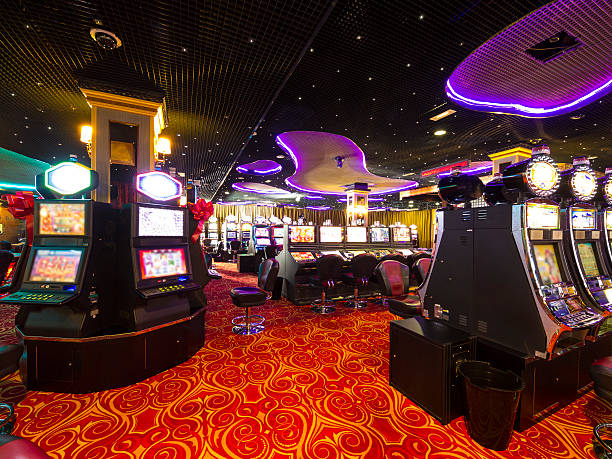
The physical environment of a casino plays a pivotal role in shaping players' risk perception. With carefully designed layouts, vibrant colors, and engaging sounds, casinos create an immersive atmosphere that can cloud judgment. The absence of clocks and windows disorients players, allowing them to lose track of time and become engrossed in the gaming experience. This environment can lead to heightened emotions and a diminished awareness of risk, as players succumb to the sensory overload that casinos masterfully orchestrate. The design elements are not merely aesthetic choices; they are crafted to manipulate perception and enhance the gambling experience.

Lighting and sound are also critical components that influence player behavior. Bright lights and sounds of coins clinking can evoke excitement and a sense of urgency, prompting players to take risks they might not have considered in a more subdued setting. For instance, the celebratory sounds associated with wins can induce a feeling of euphoria, leading to increased bets as players chase the next high. The way casinos utilize sensory stimuli is a calculated strategy that aims to heighten the thrill of gambling and encourage risk-taking behavior among patrons.
Ultimately, the environment within a casino is engineered to enhance the thrill of gambling. By understanding how physical surroundings impact psychological responses, players can become more aware of the external influences on their decision-making processes. Recognizing the effects of the casino environment can help individuals develop healthier gambling habits and make more informed choices regarding their risk-taking behaviors. Awareness of these environmental factors can empower gamblers to navigate the casino landscape more thoughtfully, potentially mitigating the adverse effects of impulsivity and poor decision-making.
Understanding Responsible Gambling on Our Website
At our website, we understand the psychological complexities behind gambling and the importance of promoting responsible gaming. We recognize that while taking risks can be thrilling, it is essential to approach gambling with a strong sense of accountability. Providing resources and tools for educating players about their behavior helps create a safer gambling environment. By equipping individuals with knowledge about cognitive biases, emotional triggers, and the social dynamics of gambling, we aim to cultivate informed decision-making and encourage a responsible approach to gaming.
Our platform prioritizes player well-being and fosters a community where responsible gambling is celebrated. We provide insights and tools for self-assessment, encouraging users to reflect on their gambling habits and set limits that align with their personal values. Recognizing the signs of problematic gambling can empower individuals to seek help when needed, reinforcing the idea that while gambling can be a form of entertainment, it should always be approached with caution and awareness. This commitment to responsible gambling is vital for maintaining a healthy gaming environment.
Through our commitment to responsible gambling, we aim to create a balanced approach that acknowledges the excitement of risk while promoting healthy habits. Engaging with our resources allows players to navigate the casino landscape thoughtfully and responsibly, ensuring that the thrill of gambling does not overshadow the importance of personal well-being. Our goal is to foster a culture of informed choices, where the enjoyment of gaming coexists with the principles of responsibility and safety.